Choosing the Right Sofa for a Pet-Friendly Home
Anyone who shares a sofa with a dog or a cat knows the quiet negotiation that happens every single day: who gets the good spot, whose fur ends up in the seams, and whether that one corner will ever look the same again. A sofa in a pet household lives a different life than one in a house without animals, and the good news is that a few deliberate choices at the buying stage can turn that daily negotiation into something far more relaxed for everyone, four legs included. Here's what actually matters when you're choosing a sofa that will hold up to claws, fur, and the occasional muddy paw, without giving up on style.
What Actually Wears a Sofa Down
Before choosing a fabric, it helps to know exactly what you're protecting against, because pets damage sofas in a few very specific ways rather than in some vague, general sense.
Claws catch on loose weaves. Any fabric with an open or looped structure gives a claw something to grab onto, which is why a coarse linen weave or a bouclé with a raised, looped surface can develop pulls faster than a tighter, flatter fabric. The tighter and denser the weave, the less a claw has to work with.
Fur embeds into texture, not smoothness. A deeply textured fabric holds onto fur and dander in a way a smooth, tightly woven surface simply doesn't, which is a large part of why the right upholstery makes daily cleaning so much easier.
Moisture is the real long-term threat. Muddy paws and the odd spilled water bowl matter less than what happens if moisture is left sitting in a fabric that absorbs it. A fabric with a water-repellent finish deals with this instantly, letting a spill sit on the surface long enough to wipe away rather than soak in.
The Fabric Choice That Matters Most
Leather and faux leather get recommended often for pet homes, mostly because they're easy to wipe clean, but they come with a real downside that's worth knowing before you buy: a claw doesn't need to snag a leather-look surface to damage it, a single scratch can leave a permanent mark or even a puncture, and there's no brushing it out or letting it settle the way there is with a woven fabric. For a household with an active cat in particular, this is often the opposite of practical.
A genuinely pet-friendly fabric does its job differently. Look for a flat, dense weave rather than anything with visible loops or a raised nap, since this is what stands between a scratch that brushes straight out and one that snags permanently. Knit fabrics, corduroy, velour, and velvet all perform well here: the surface is tight enough that a claw has very little to catch, while still feeling soft and looking rich in a living room.
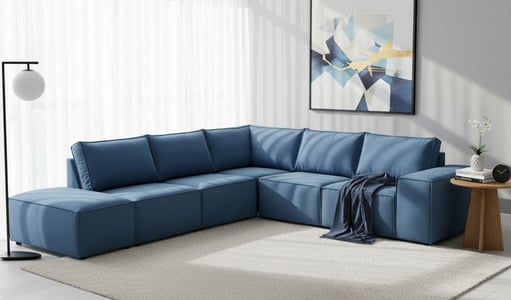
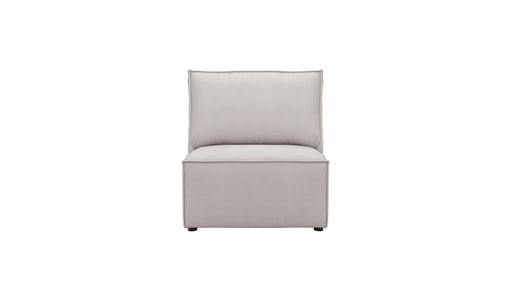
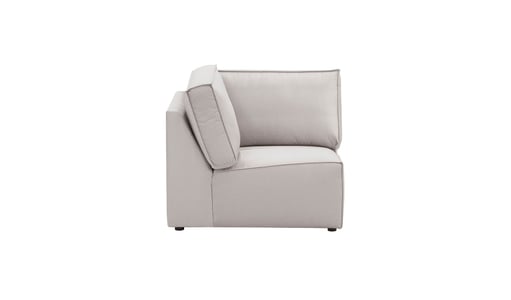
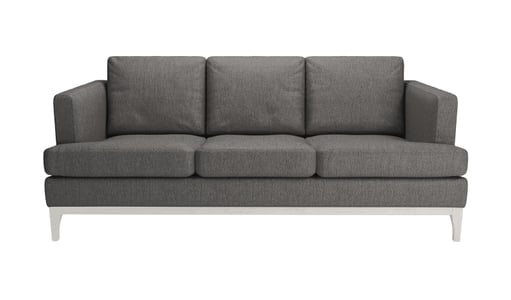
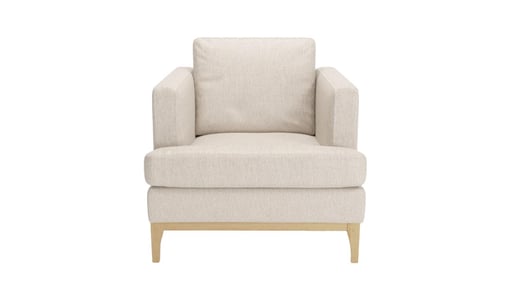
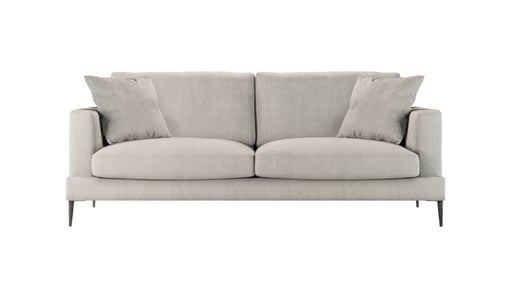
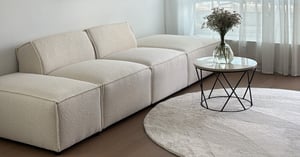
If you want a sofa that starts with the right foundation, the Scarlett Eco 3-Seater Sofa is worth a look in Terra, a knit fabric built specifically with pets in mind: it stops hair from working its way into the weave, wipes clean with a little water, and carries a Martindale abrasion rating above 100,000, which is well into commercial-grade territory. Its mid-century silhouette and slim wooden frame also mean it reads as a genuine design choice rather than a "practical" compromise. If you'd rather have a softer, ribbed texture, the Charles 3-Piece Modular Sofa can be specified in Poso, a medium-wale corduroy that's soft to the touch, built with the same easy-clean, pet-friendly technology, and flexible enough to reconfigure as your household, two- or four-legged, changes.
One fabric worth avoiding altogether if you have pets: bouclé. Its raised, looped texture is exactly what a claw catches on, and once a loop pulls, it tends to keep unravelling rather than settling back down. If you love the look, it's better saved for a cushion or a room your pets don't have daily access to, rather than the main family sofa.
Colour and Pattern Choices That Hide Real Life
The right fabric only does half the job. Colour and pattern quietly do the rest of the work, and this is where a lot of pet owners get caught out by choosing purely on looks.
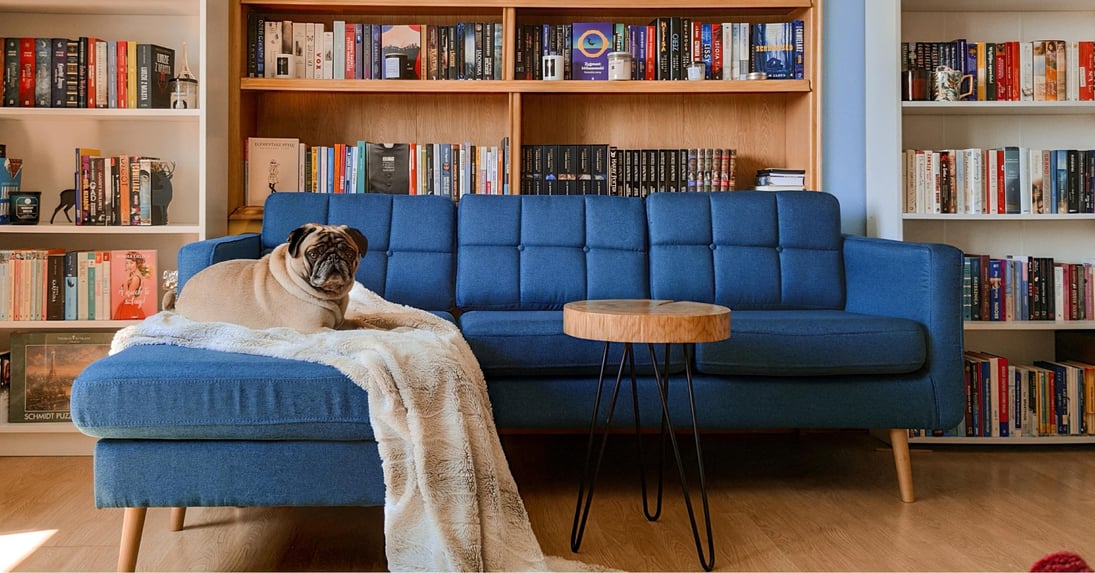
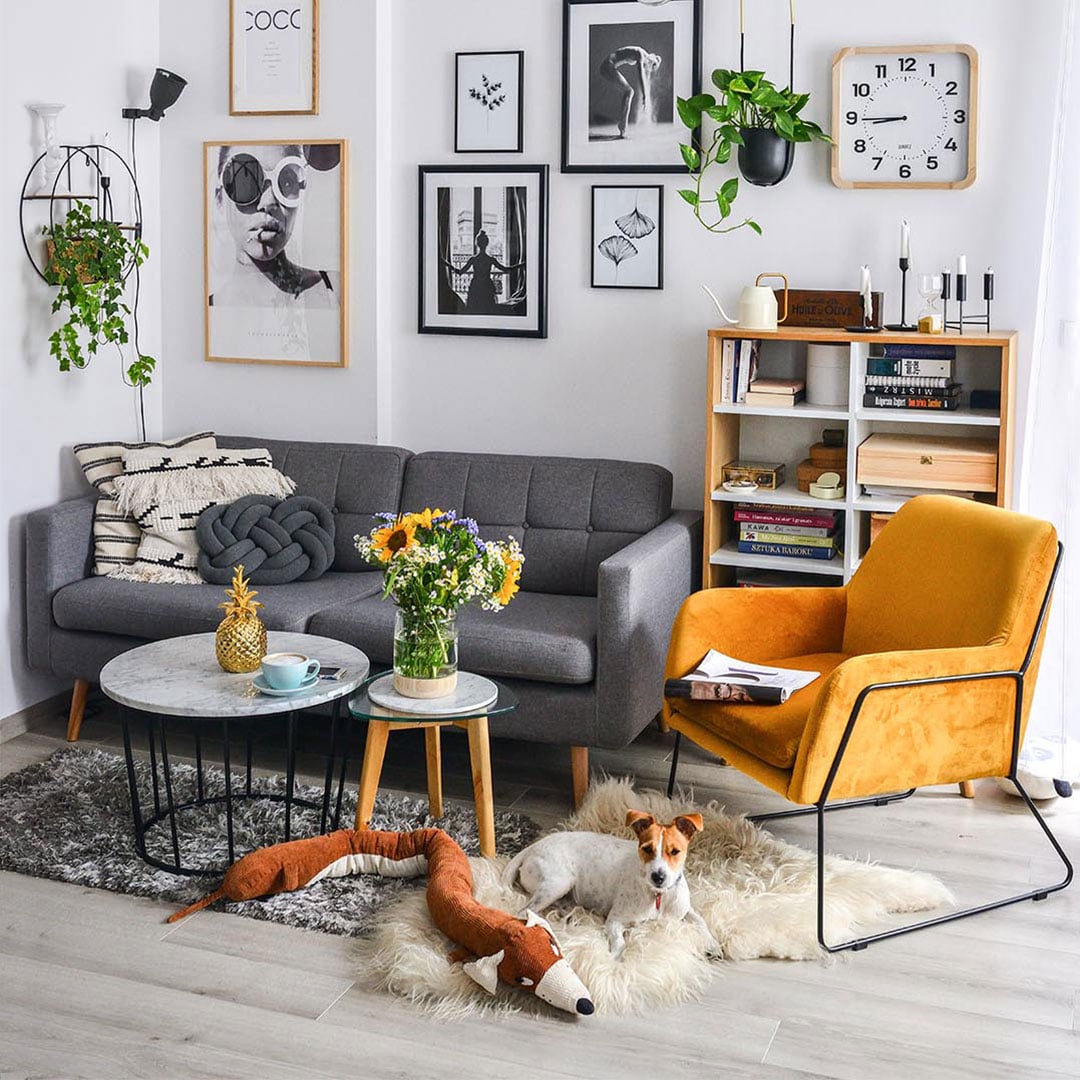
Avoid pure white and true black. Both show everything, fur, dust, the faintest smudge, in a way mid-tones simply don't. A warm grey, taupe, camel, or a soft mid-blue hides daily wear far better while still looking considered rather than deliberately "practical."
A subtle fleck, weave variation, or two-tone pattern is your friend. Solid colour shows every stray hair against it, while a fabric with a little visual texture built into the weave breaks up exactly the kind of light marking pets leave behind.
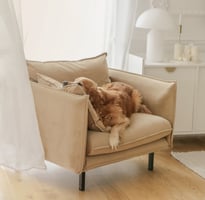
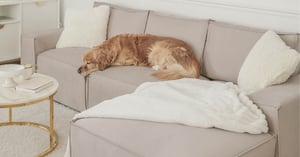
Match the tone to the pet, not just the room. A household with a golden retriever benefits from warmer camel and biscuit tones that fur blends into, while a home with a black cat does better with charcoal or deep navy for the same reason. It sounds almost too simple, but it's one of the most effective, least talked about tricks in a pet-friendly living room.
Construction Details Worth Checking Before You Buy
A handful of structural choices matter just as much as the fabric on top of them.
- Raised legs rather than a skirted base. Wooden or metal legs that lift the frame off the floor make it far easier to vacuum underneath, which matters more in a pet household than almost anywhere else in the room.
- Removable, washable cushion covers. Loose covers that can come off entirely and go through a wash are worth seeking out over fixed upholstery on cushions, since they turn an occasional deep clean into a five-minute job.
- High-density foam over softer fillings. Firmer, high-resilience foam holds its shape under a pet jumping on and off repeatedly, where a softer filling compresses and looks tired far sooner.
- Minimal exposed piping or trim. Decorative stitching and piping look wonderful, but the more exposed edge detail a sofa has, the more there is for a claw to catch on. A cleaner silhouette with fewer proud seams tends to age better in an active household.
Placement and Everyday Habits That Help
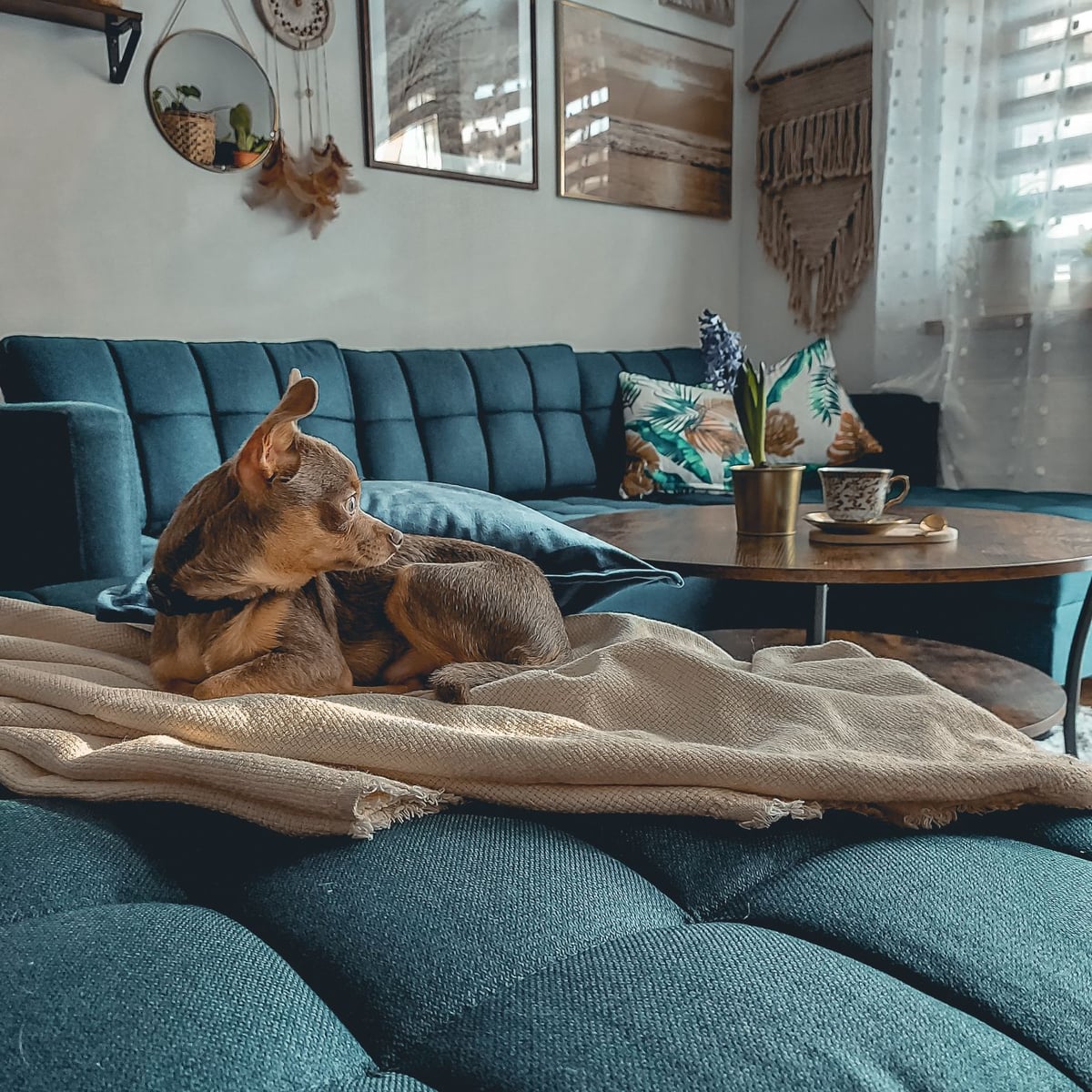
Even the right sofa benefits from a little thoughtful placement. Keep a designated pet blanket or throw over the arm or seat cushion where your dog or cat naturally settles, it protects the fabric underneath and is far easier to wash than the sofa itself. Position a proper scratching post or pad within easy reach of the sofa rather than across the room, since cats will almost always choose whichever surface is closest and most convenient in the moment. And brush pets regularly during shedding season; less loose fur circulating in the room means less of it working its way into the upholstery in the first place.
Common Questions
Is leather better than fabric for pets? Not necessarily, and often the opposite. It wipes clean easily, but claws can scratch or puncture it permanently, with no way to brush the damage out. A flat-weave or velour fabric, especially one with a pet-friendly technology built in, generally holds up better over time.
Do dark colours always hide pet mess best? Not universally, it depends on your pet's own coat colour. The goal is contrast, not just darkness, so match the sofa tone to what will genuinely blend in with the fur you're dealing with.
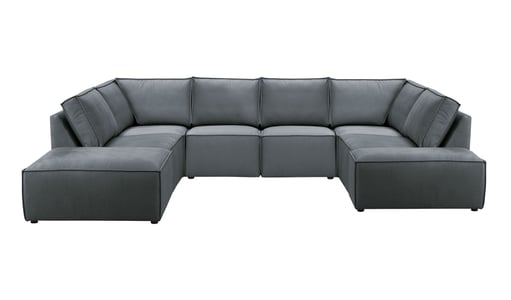
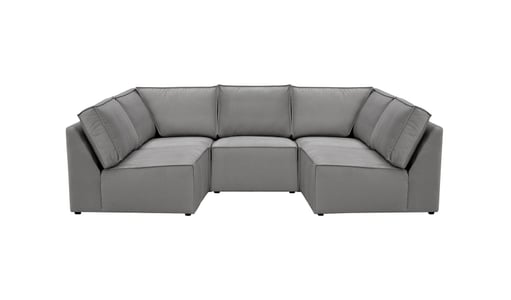
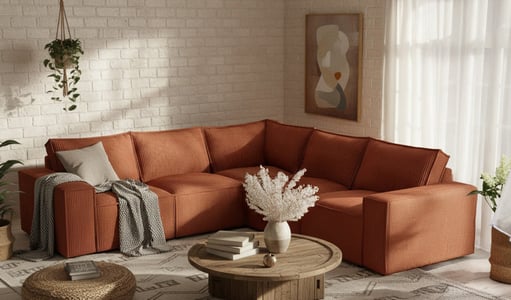
Are corner sofas a good choice for households with pets? Often, yes. A corner shape gives pets their own settled spot away from where people usually sit, which can reduce the wear concentrated on any single cushion.
A sofa shared with a pet doesn't need to be a compromise between style and survival. Choose a fabric that matches how your pet actually behaves, a colour that works with their coat rather than against it, and a construction that makes daily cleaning simple, and the sofa stays looking right for years, fur, claws, muddy paws and all.