Understand Your Body. Improve Your Rest.
Your body is constantly working to maintain balance, recover from daily stress, and restore energy. While many people focus on sleep duration or occasional relaxation, true recovery depends on something deeper. It depends on how your body responds to its environment.
The way you sit, rest, and sleep sends continuous signals to your nervous system. These signals determine whether your body stays alert or shifts into recovery. When the conditions are right, your body naturally slows down, repairs itself, and restores energy. When they are not, recovery becomes limited, even if you spend hours resting.
This is why comfort is not just about how something feels. It is about how it supports your body at a biological level.
The Nervous System and the Quality of Rest
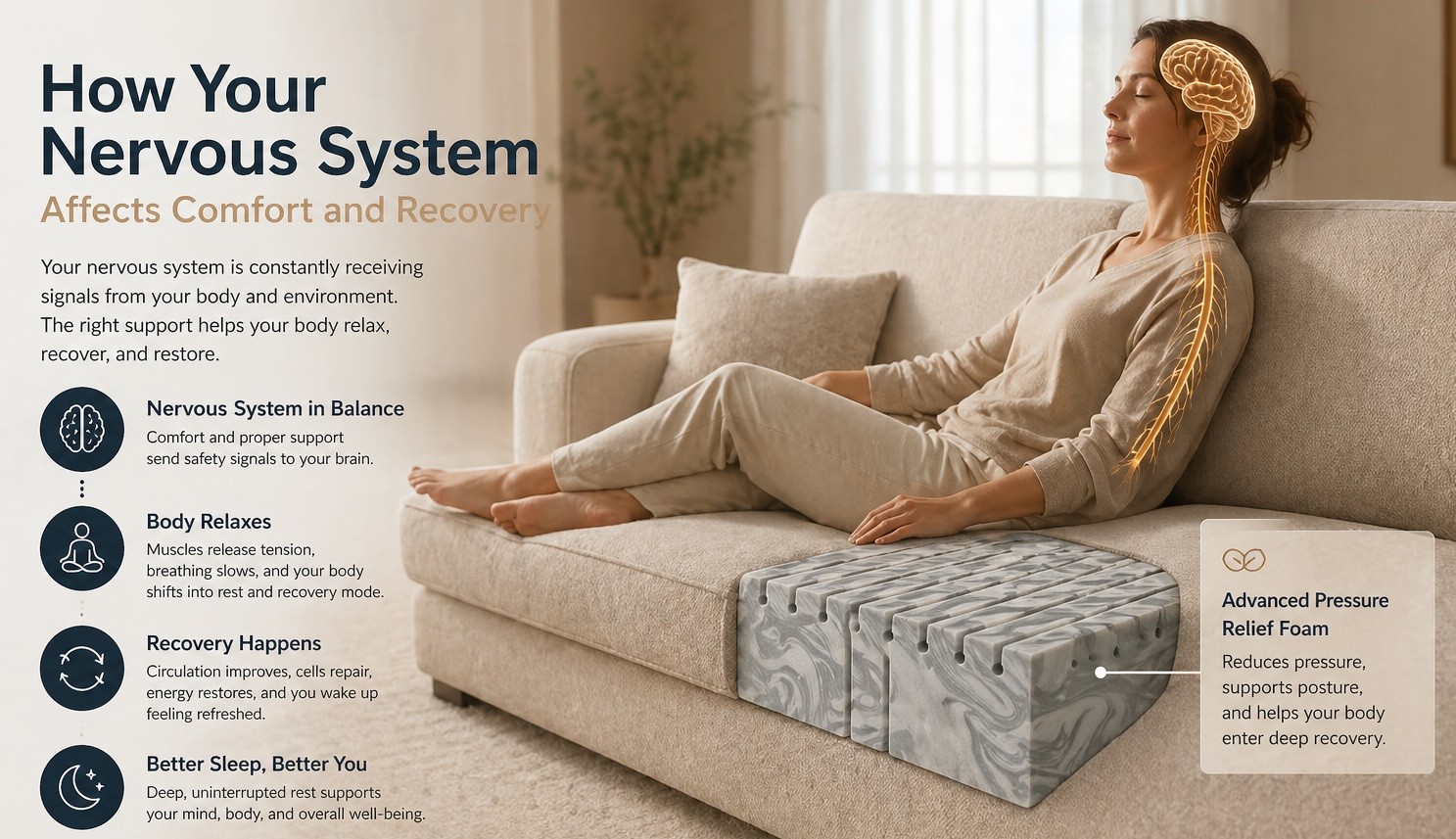
At the centre of recovery is your nervous system. It operates in two primary modes. One supports activity, focus, and responsiveness. The other supports rest, repair, and regeneration.
For your body to recover effectively, it needs to spend time in this second mode. However, modern lifestyles often keep the body in a state of low-level alertness. Even when sitting or lying down, subtle discomfort, poor posture, or uneven pressure can prevent the body from fully relaxing.
Your nervous system constantly monitors these physical signals. If your body feels unsupported or strained, it interprets this as a reason to stay alert. Muscles remain slightly engaged, breathing stays shallow, and the body does not fully enter recovery mode.
When your body is properly supported and comfortable, the message changes. The nervous system recognises safety. This allows the body to relax more deeply, reduce tension, and begin the process of true recovery.
Why Pressure Plays a Critical Role
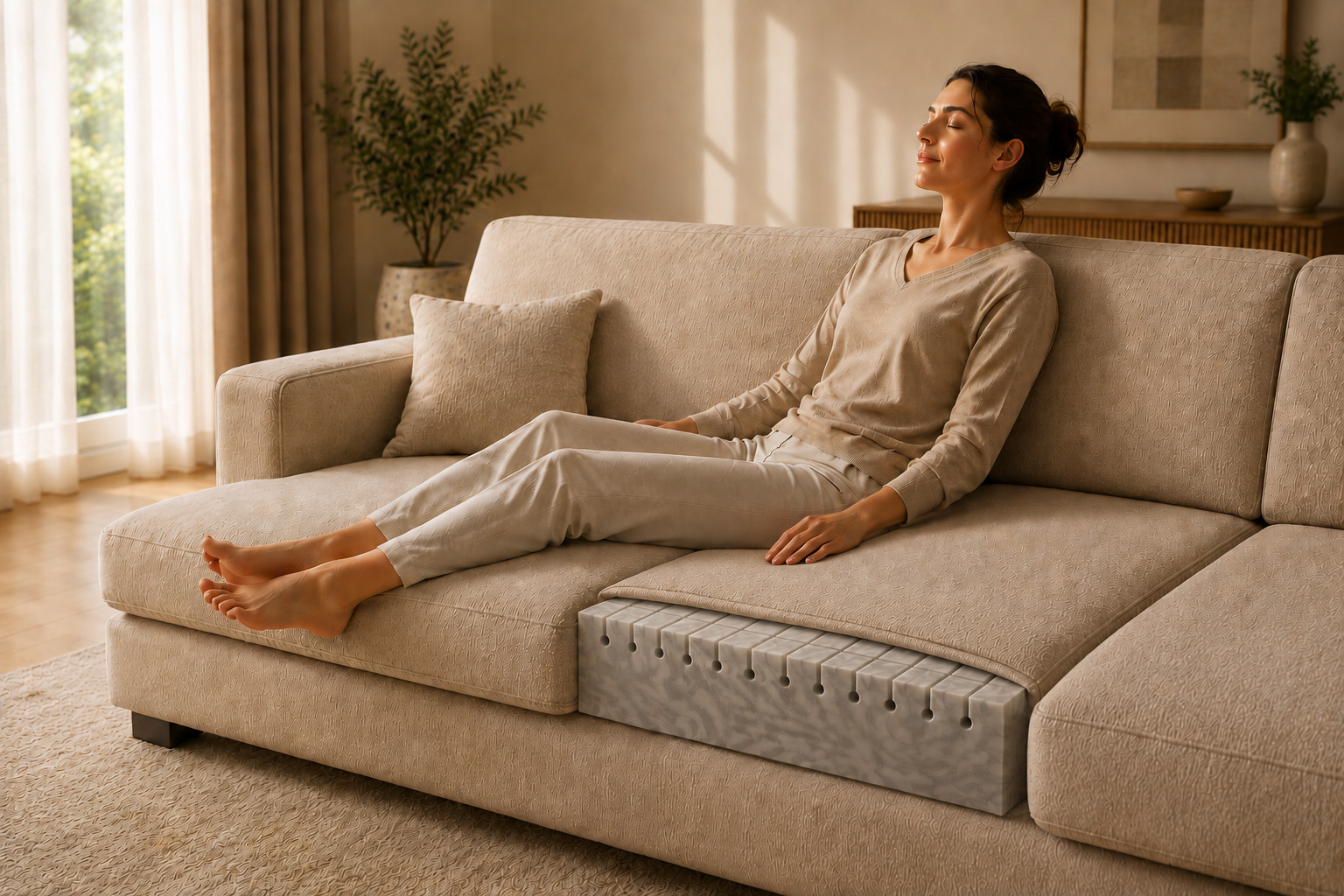
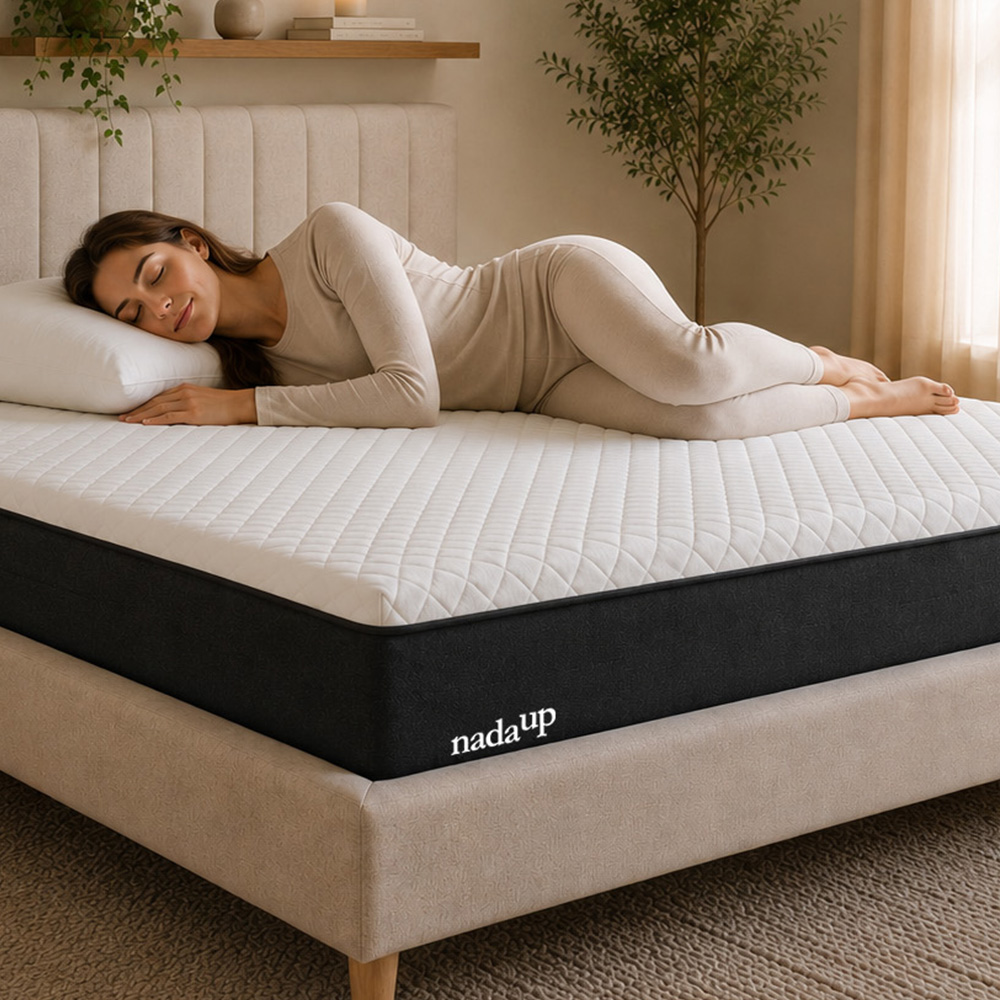
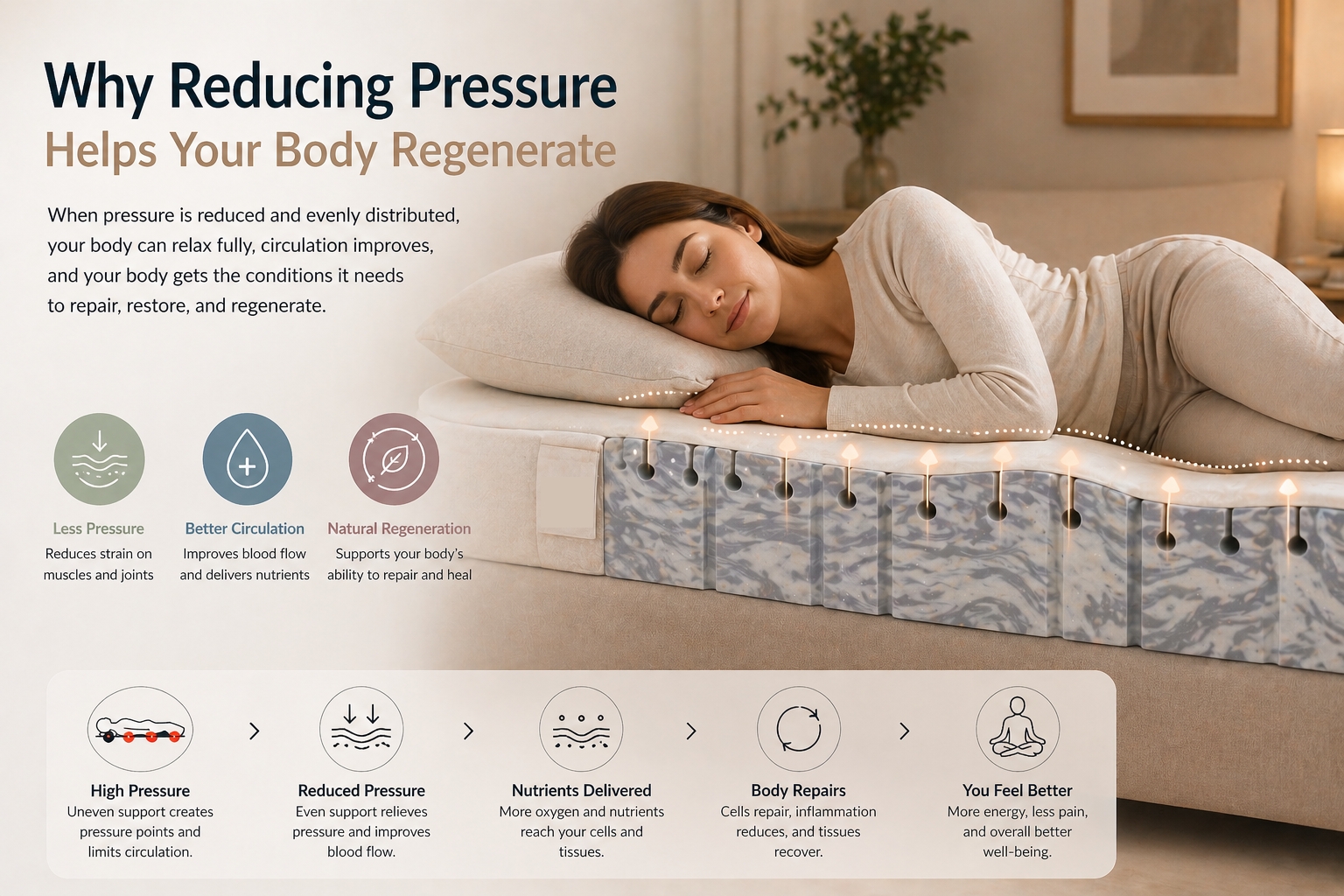
One of the most important factors influencing recovery is pressure. When you sit or lie down, your body weight is transferred to the surface beneath you. If that weight is not evenly distributed, certain areas experience higher pressure. Over time, this can restrict circulation, compress tissues, and create discomfort.
Even small amounts of pressure can have a significant impact. They can reduce the flow of oxygen and nutrients that your body needs for repair, and trigger subtle stress responses that prevent muscles from fully relaxing.
Reducing pressure changes this completely. When your body is evenly supported, circulation improves, tension decreases, and your body can enter a more relaxed state. This creates the right conditions for regeneration to take place.
This is why advanced pressure-relieving surfaces are so important. They do not simply make you feel more comfortable. They actively support your body's ability to recover.
From Comfort to Regeneration
Regeneration is the process through which your body repairs itself. It involves restoring tissues, reducing inflammation, and rebuilding energy.
For this process to work effectively, your body needs three key conditions: proper circulation, minimal muscular tension, and a stable, supported posture.
When pressure is uneven or support is lacking, these conditions are disrupted. The body continues to compensate, muscles remain active, and recovery slows down.
When support is balanced and pressure is reduced, the opposite happens. Muscles relax, circulation improves, and your body can focus on repair. Over time, this leads to less stiffness, improved comfort, and better overall physical wellbeing.
This is the difference between simply resting and truly recovering.

The Role of the Parasympathetic System
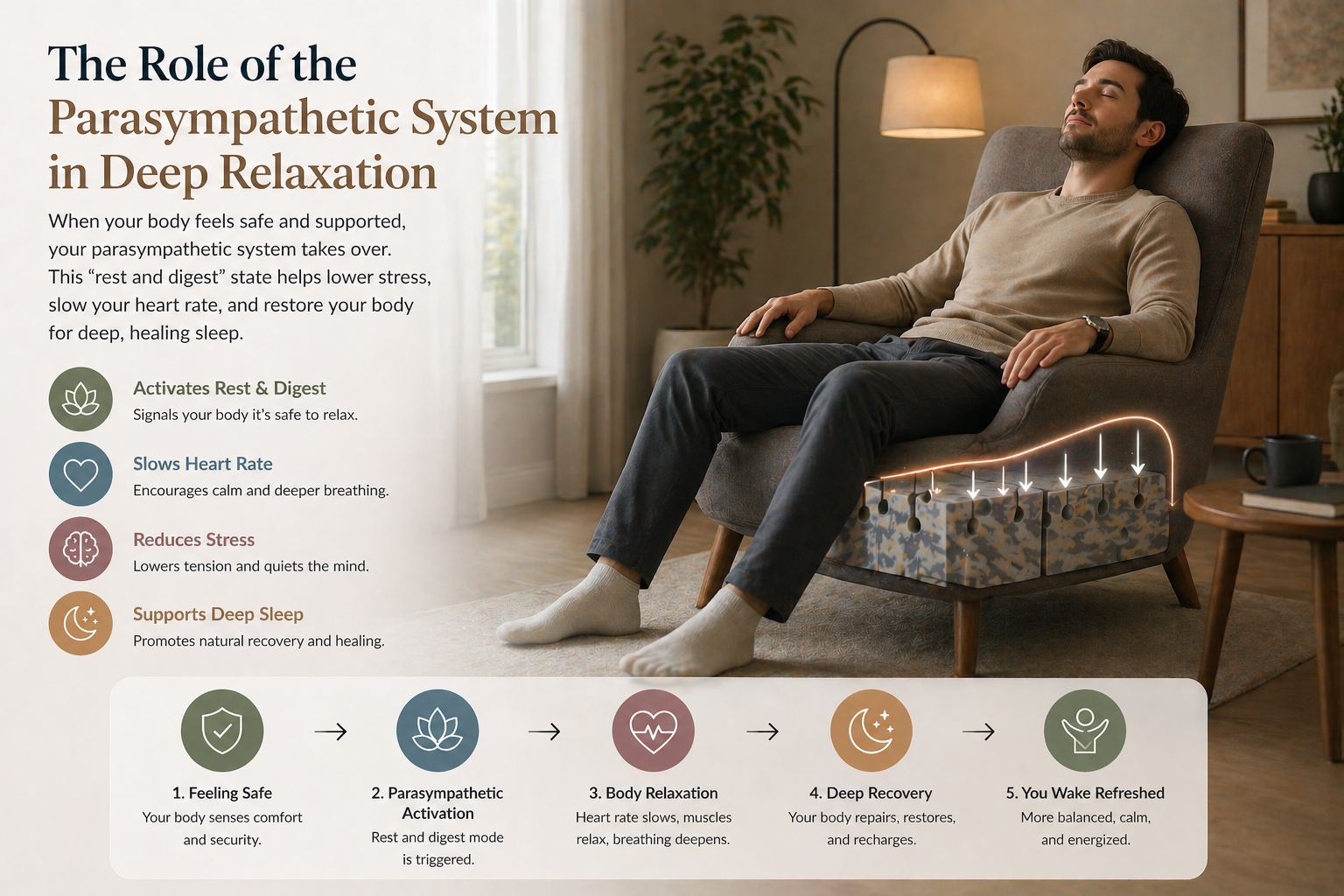
Deep recovery is controlled by a specific part of your nervous system known as the parasympathetic system. This system is responsible for slowing the body down. It reduces heart rate, supports deeper breathing, and allows the body to repair and restore itself.
However, this state is not automatic. It depends on the signals your body receives. If your environment creates discomfort or pressure, your body may remain partially alert, limiting the activation of the parasympathetic system and reducing the effectiveness of your recovery.
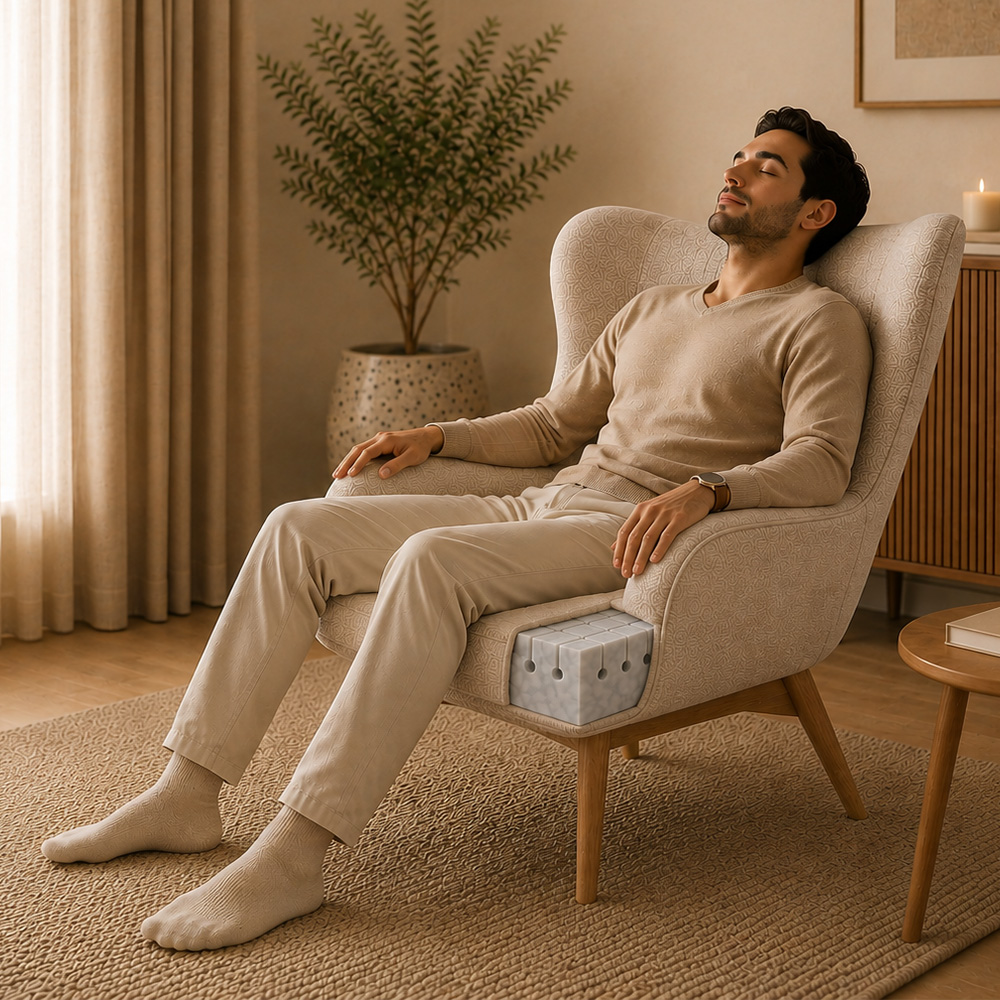
When your body is comfortable and supported, the parasympathetic system can activate more easily. Breathing becomes slower and deeper, muscles release tension, and your body enters a state where regeneration can happen more efficiently.
This is why relaxation is not just a mental experience. It is a physical and biological process influenced by your environment.
Creating the Right Conditions for Recovery
Improving recovery does not require complicated routines or drastic changes. It often begins with improving the environment where you spend the most time resting.
Surfaces that provide balanced support and reduce pressure help your body relax without effort. Materials that allow airflow help maintain a comfortable temperature, preventing disturbances that can interrupt recovery. Thoughtful design ensures that your posture remains natural, reducing the need for your body to compensate.
Whether you are sitting during the day or resting at night, these factors play a crucial role in how your body responds. When your environment supports your body, recovery becomes easier and more consistent.

Everyday Impact on Wellbeing
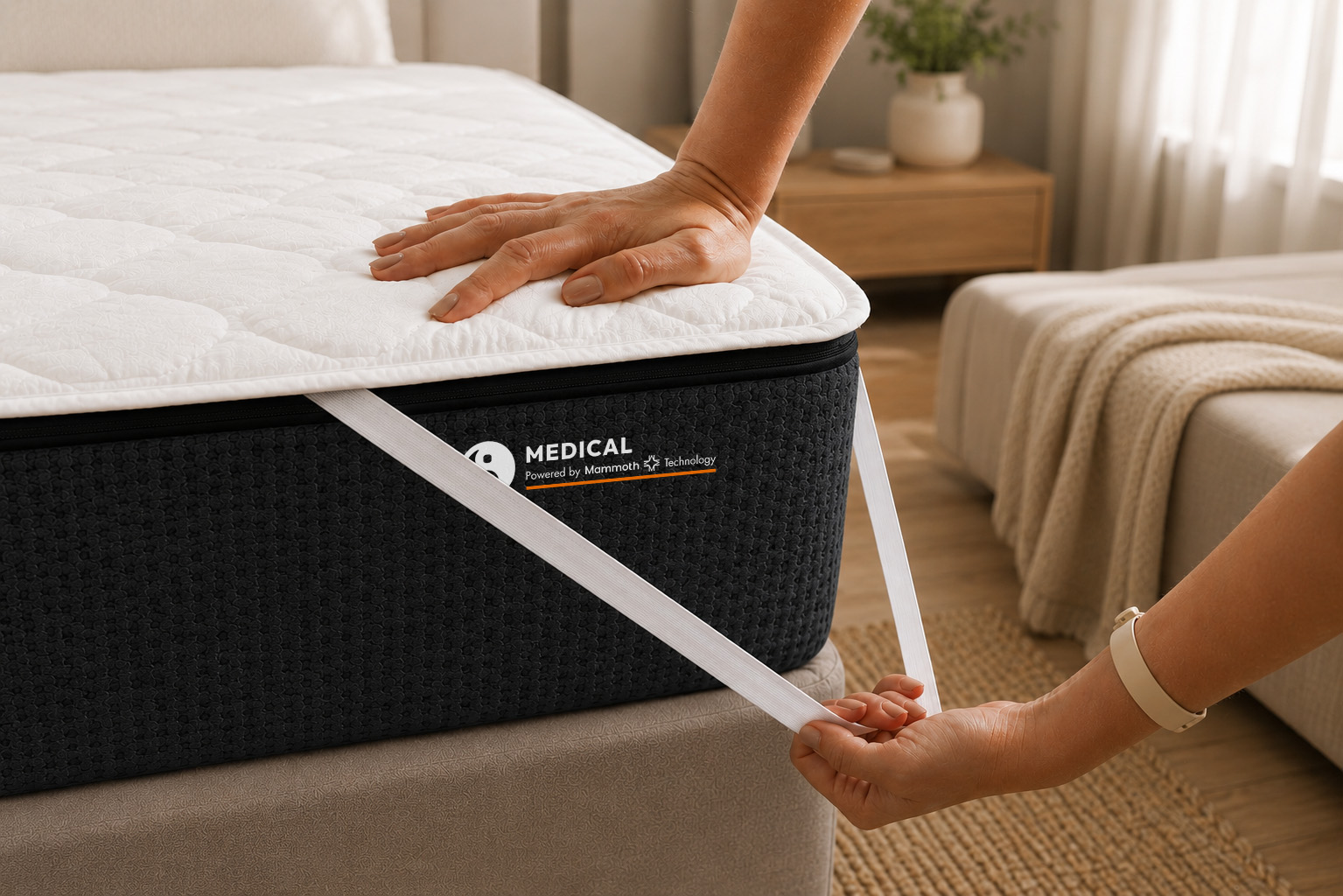
The effects of better recovery extend far beyond rest itself. When your body is able to recover properly, you feel more refreshed, more focused, and more balanced. Physical discomfort is reduced, energy levels improve, and your ability to handle daily stress becomes stronger.
Over time, these small improvements create meaningful changes in your overall quality of life. You move more easily, think more clearly, and feel more in control of your wellbeing.
This is why the way you rest matters so much. It influences not only your nights, but your entire day.
Where Comfort Meets Performance
The connection between comfort and recovery is clear. When your body is supported, pressure is reduced, and your environment promotes relaxation, your nervous system responds in a positive way.
This is where well-designed sofas and mattresses play an important role. They are not just pieces of furniture. They are tools that help create the conditions your body needs to recover.
By supporting your posture, reducing pressure, and enhancing comfort, they allow your body to shift more easily into a state of relaxation and regeneration.

The Knowledge Behind the Comfort
Explore the Science of Rest
Rest With Purpose
Your body is designed to recover. It has the ability to repair, restore, and rebalance itself every day. The key is giving it the right conditions to do so.
Understanding how your nervous system responds to pressure, posture, and comfort changes the way you think about rest. It becomes more than just taking a break. It becomes a way to actively support your wellbeing.
Because true rest is not only about stopping. It is about creating the environment where your body can truly recover and perform at its best.