The Science of Sitting: How Furniture Affects Your Body Over Time
Most of us sit down on the sofa expecting to rest, and get up a few hours later with a vague tension in the back and a sense that something wasn't quite right - though it's hard to say what. Shifting position, searching for a more comfortable angle, instinctively reaching for a cushion to prop behind the lower back - these aren't bad habits. They're signals the body sends when the furniture isn't doing what it should.
Your Body Wasn't Designed for Sitting
Humans evolved to walk and lie down - not to sit in the same position for hours on end. When we sit, the body's weight rests primarily on the hips, pelvis, and thighs. If the seat doesn't distribute that load evenly, areas of excessive pressure build up and circulation begins to suffer. The body responds automatically: you shift position, cross your legs, lean to one side - often without even noticing.
After two hours on the sofa, we get up more tired than we should be. And we rarely connect that to the piece of furniture we were sitting on.
Heat Is the Second Invisible Problem
Standard sofa foam doesn't just create pressure - it also traps heat. The longer you sit, the more warmth builds up at the point of contact between your body and the seat. This creates a kind of discomfort that's hard to name precisely, but which keeps sending you searching for a new position. Research into recovery materials suggests that managing heat during sitting matters just as much as pressure distribution - yet it's almost never part of the conversation when choosing a sofa.
The Shape of Your Sofa Has More to Do with Your Spine Than You'd Think
It's not just about the foam. The proportions of a piece of furniture - seat height, depth, the angle of the backrest - directly affect the position of the pelvis, and through it, the entire spine. A seat that's too deep forces you to either perch at the edge or slump. Too firm and it doesn't absorb anything. Too soft and it swallows the body whole and makes getting up an effort.
Sofas with a low profile and a gently shaped seat allow the pelvis to settle into a natural position - which means the muscles along the back can actually rest, rather than constantly working to hold the body upright.
What You Can Do - Without Replacing Your Entire Living Room
The good news is that you don't need to buy a completely new sofa to feel a difference. But if you're currently in the process of choosing one, it's worth knowing that some sofas offer a seating upgrade that genuinely changes the experience.
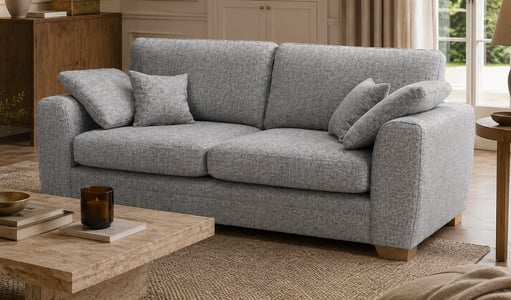
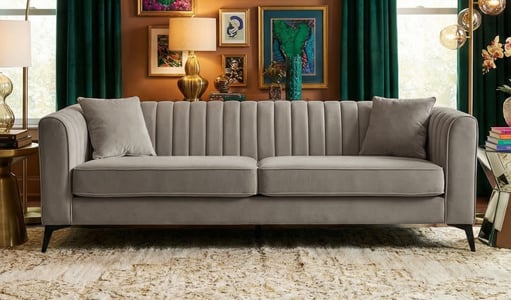
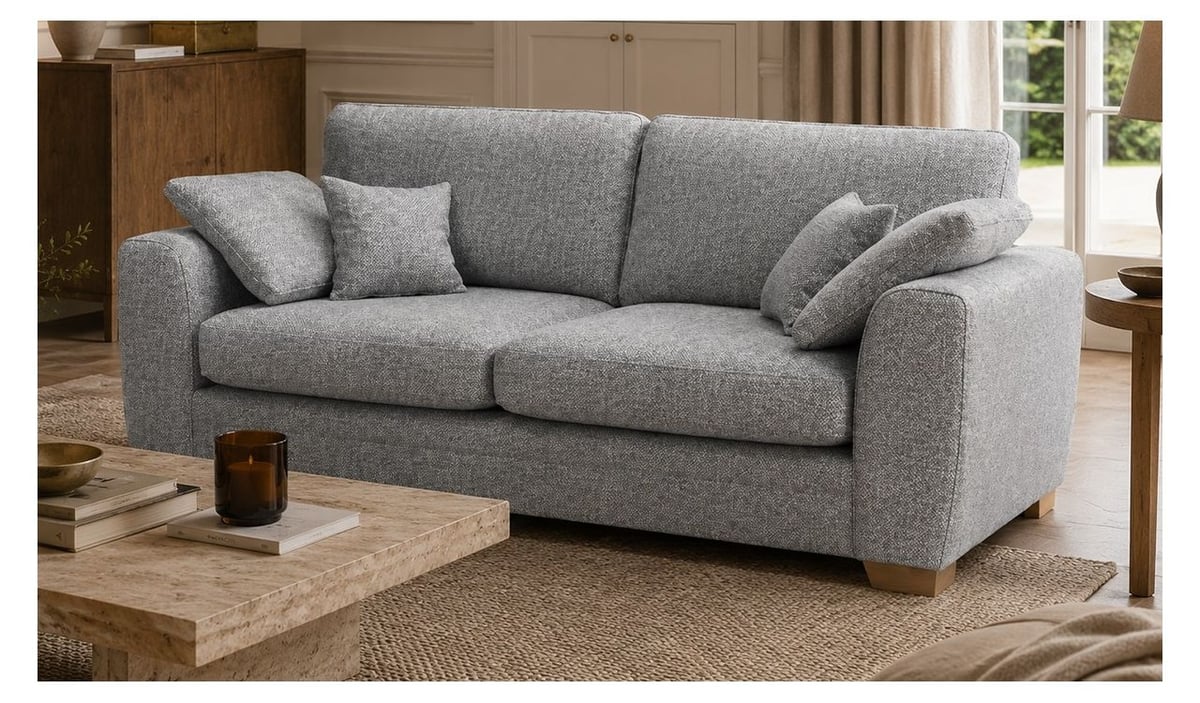
Curious what that looks like in practice? The Ronay 3-Seater Sofa is available with the NadaUp Deep Comfort upgrade - a seating option built on Mammoth Medical Grade Foam Technology, originally developed for therapeutic mattresses. Unlike standard foam, it distributes pressure evenly and draws heat away immediately, with no warm-up period required. The difference is noticeable from the very first sit. See the Ronay →
Sitting and Sleep - an Unexpected Connection
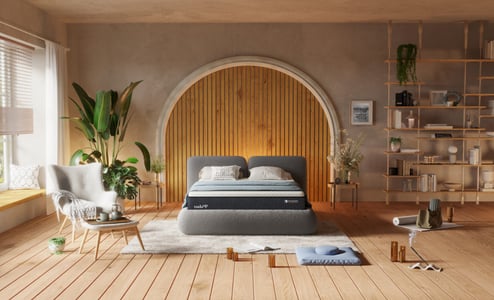
This is where it gets genuinely interesting. The same technology that improves sitting comfort is used in mattresses designed to support overnight recovery - and that's no coincidence. The underlying mechanisms are identical: even pressure distribution and thermal regulation are the two key factors that determine both sleep quality and how you feel after several hours on the sofa.
Mammoth Medical Grade Foam Technology was developed for mattresses used in medical and sports rehabilitation settings, where precise management of pressure and heat has a real impact on the body's ability to recover. Those same properties carry over into the sofa: less tension, less unnecessary movement, less risk of numbness during longer sitting sessions.
Form Matters Too - More Than You Might Expect
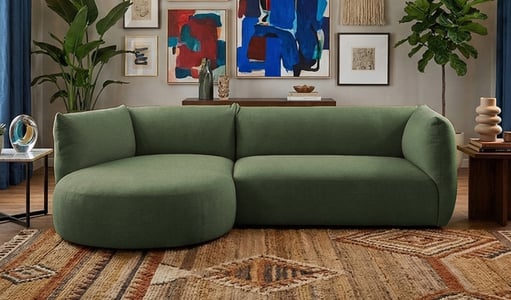
If you're looking for a corner sofa that's not only comfortable but genuinely well thought-through for daily use, it's worth seeking out models where shape and proportion are taken as seriously as upholstery.
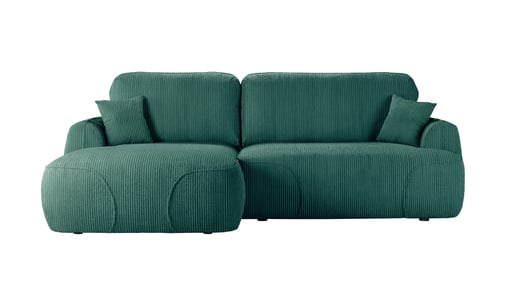
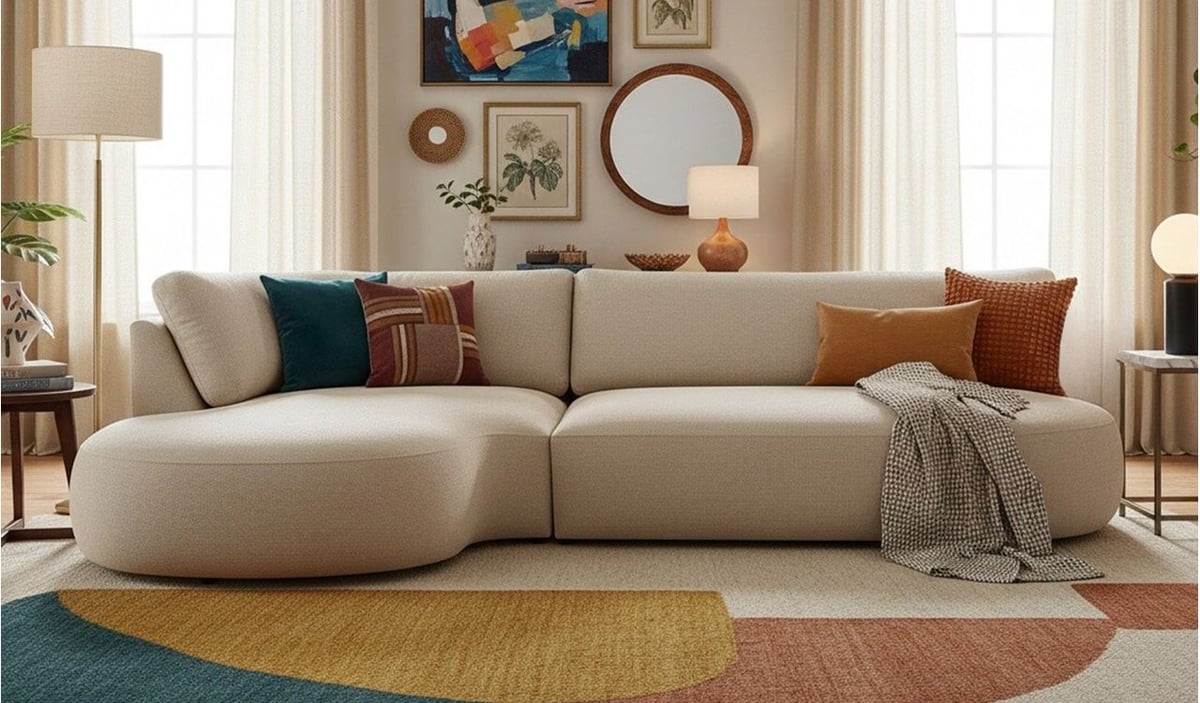
The Ace Minimalist Left-Hand Corner Sofa stands out for its soft, rounded seat form and low, compact silhouette rooted in soft minimalism. Its proportions allow the body to settle naturally without searching for a position - and the NadaUp Deep Comfort upgrade is available here just as it is on the Ronay, if you want to take comfort a step further. See the Ace →
Where You Sit Shapes How You Feel
It sounds obvious, yet it's rarely something we consider when choosing furniture. A sofa isn't just a design element - it's a place where most of us spend several hours every single day. The way it's built has a direct impact on the quality of the rest it provides - and on whether we get up from it genuinely refreshed.
No revolution required. It just helps to know what to look for.
Results may vary depending on individual factors and conditions.