How to Transition Your Sofa for Autumn and Winter
There's a particular moment every year, somewhere around the first properly dark afternoon, when a living room that felt effortless all summer suddenly feels a little flat. The same sofa, the same cushions, the same light coming through the window, except the window is now dark by five and the room hasn't caught up. That gap between how a space feels and what the season actually calls for is exactly what good seasonal styling closes, and it has almost nothing to do with buying new furniture and everything to do with rethinking texture, color, and layout together.
If you're choosing a new sofa this season, that same thinking becomes even more useful: the fabric you pick now is what decides whether the piece feels just as right in July as it does in January. Here's how the transition actually works, room by room, fabric by fabric.
Choose (or Check) the Right Fabric First
Before a single cushion or throw comes into it, everything starts with what the sofa itself is wearing. Some fabrics are built to hold the season, and some simply sit there looking the same regardless of what's happening outside the window.
Flat weaves and linen-look fabrics (common in summer-friendly sofas) are wonderful in July because they read as light, cool, and airy. That same lightness becomes a problem the moment the evenings draw in. Without any depth or shadow to catch, a room built around one of these fabrics can look strangely flat under lamplight, no matter how many candles you add around it.
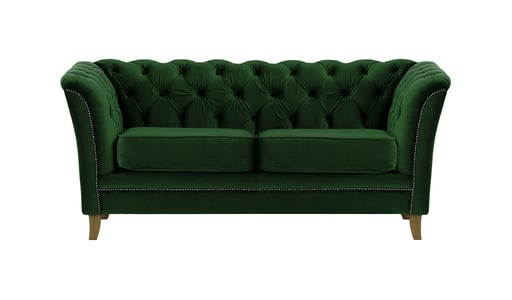
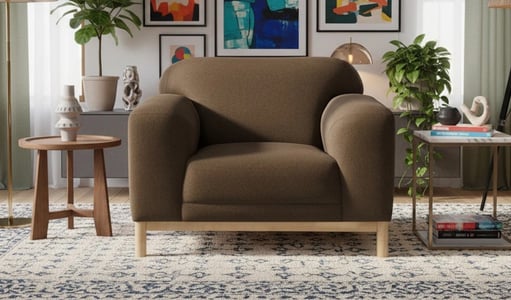
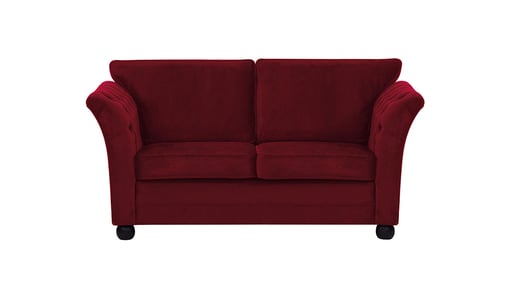
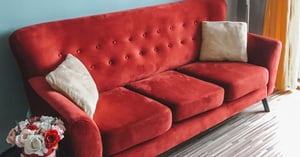
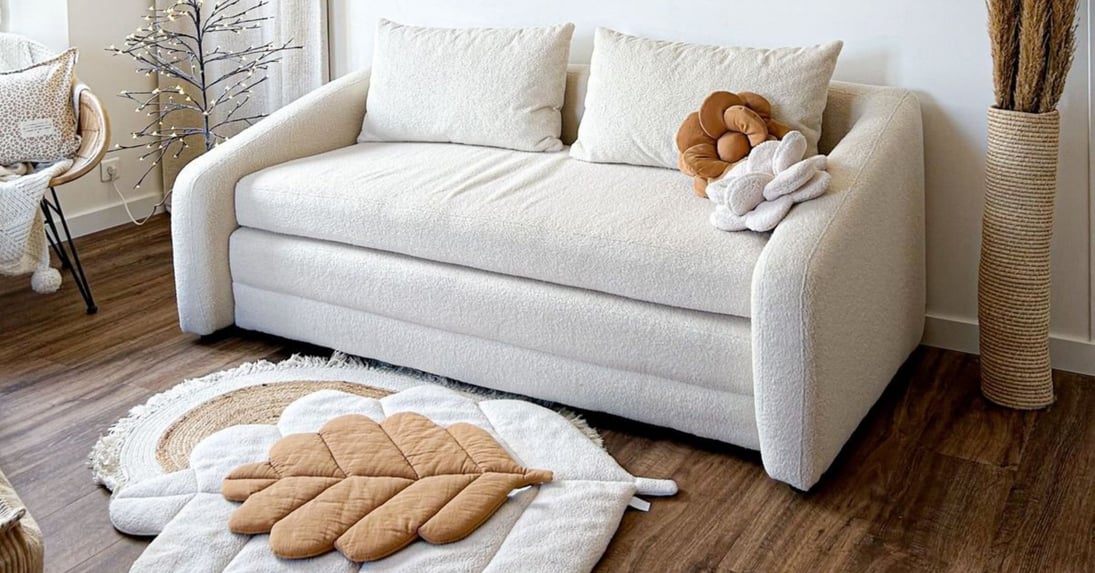
Velvet and boucle do the opposite, almost effortlessly. Velvet carries a nap that shifts color as light moves across it, which is why the same velvet sofa can look completely different lit by candles in the evening than it does under midday sun. Boucle works differently but just as well: its raised, looped surface catches and scatters light from every angle, so even a pale, neutral boucle sofa never reads as cold or flat the way a smooth fabric can.
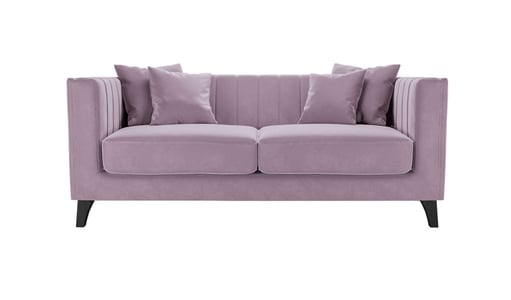
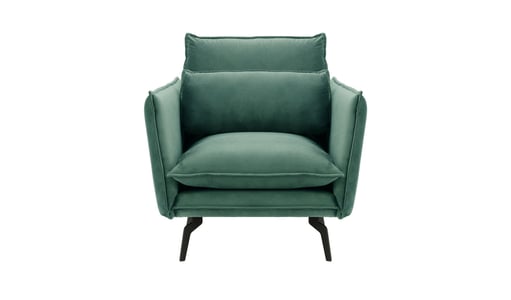
Before you buy a single cushion, or before you buy the sofa itself, this is the choice worth making first. If you want a piece that starts the season already looking right, the Slender 3-Seater Sofa in Matt Velour is a beautiful place to begin: the fabric holds shadow in its folds and grows richer the moment the low winter sun disappears, with a stitched backrest detail that catches lamplight in a way no flat weave ever could. If you're drawn to something that gives warmth through texture rather than color, the Ronay 3-Seater Sofa in boucle is the one to look at: it lets you keep a pale, easy palette and still avoid that summer-flat feeling once the clocks change.
This is really the argument for choosing velvet or boucle over a flat cotton or linen weave for a main living room piece. You end up with a sofa that genuinely lives two lives well, rather than one that looks the same, slightly wrong, all year round.
Velvet or Boucle: Which One Suits Your Room
Both fabrics solve the same problem, but they bring a different feeling into a room, and the right choice usually comes down to how formal or how relaxed you want that room to be.
Velvet, like the Matt Velour on the Slender sofa, brings something quietly more formal. Its nap gives a defined, almost architectural presence, the kind that suits a room with clean lines, a higher-contrast palette, or a period property with cornicing and picture rails still doing their work overhead. It sits beautifully alongside brass lamp bases, dark wood, and low autumn light, a combination that has felt right for decades and hasn't stopped.
Boucle, like the finish on the Ronay range, brings something warmer and more tactile. It belongs in Scandinavian-leaning rooms, spaces built around natural wood, and homes where the sofa needs to feel inviting every single day rather than saved for guests. It also wears daily life gracefully: the looped texture hides light creasing and flattening in a way a smooth velvet nap simply can't.
If you're torn, think about how the room is actually lit once the sun goes down. Velvet rewards a few focused, low light sources rather than one central ceiling light, because that's what allows the nap to do its color-shifting work. Boucle is more forgiving and holds its character under almost any lighting, which makes it the steadier choice for a room you're not about to rewire before winter.
Shift the Palette in Layers, Not All at Once
None of this requires reupholstering or repainting a single wall. Layer three things onto the base color of the sofa, and the whole room shifts with it:
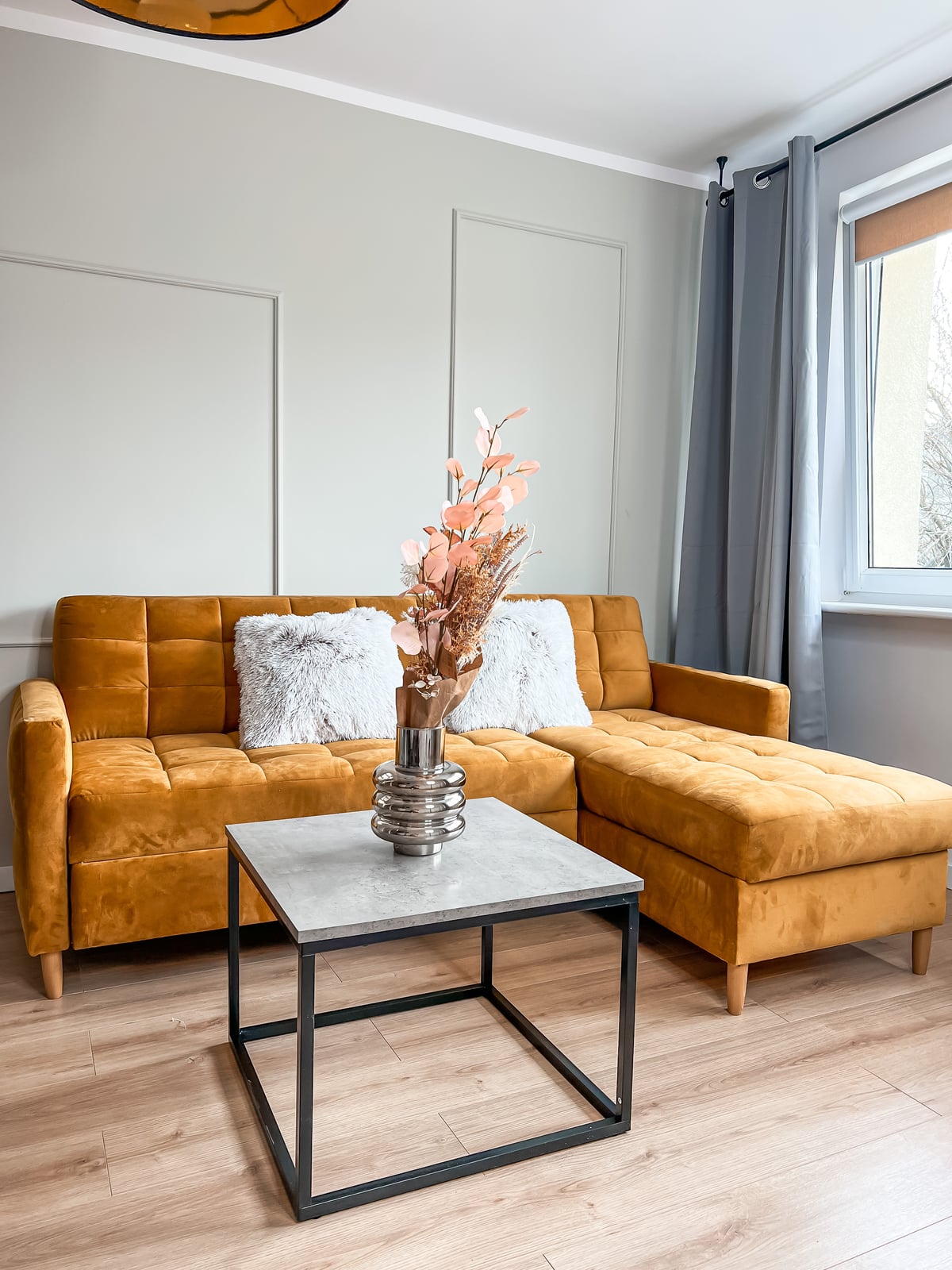
- A throw in a deeper, warmer tone than your sofa base. Against a neutral like oatmeal, camel, or dove grey, a rust, burgundy, or forest green throw does the entire seasonal transformation on its own. Drape it over one arm and let it fall naturally, a folded throw reads as storage, a draped one reads as intention.
- Two or three cushions in a related, not matching, tone. Matching cushions exactly to the throw looks staged rather than styled. Choose a fabric like Tiffany or Karamel a shade or two off the throw, so the eye reads harmony rather than a set. Vary the sizes as well, a 50cm square, a 45cm square, and a smaller lumbar cushion together read as considered in a way three identical squares never do.
- One textural outlier. A boucle cushion against a velvet sofa, or a chunky knit against boucle, adds contrast without adding another color into the mix. This single detail is often what separates a room that feels styled from one that simply has things placed on it.
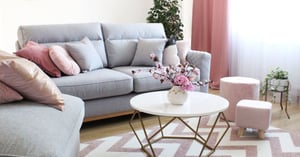
Rust, terracotta, mustard, deep forest green, and burgundy all sit beautifully against the neutral upholstery tones most living rooms already use. Steer well clear of pastels here, they carry the feeling of spring and quietly undo everything else you're building. If your sofa is already a deeper autumnal shade, camel, chocolate, bottle green, go the other way instead and let a single warm-white cushion breathe some light back into an already rich palette.
Rethink the Layout, Not Just the Dressing
Summer living rooms tend to open outward, sofa and chairs pulled apart to let air and light move freely. Winter asks for the opposite: a tighter, more gathered seating group that draws people in toward a shared center, usually a coffee table or a rug.
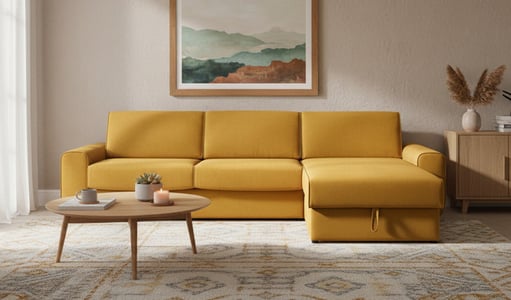
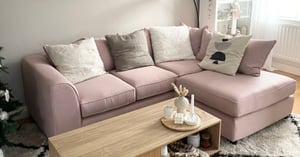
This is where a modular arrangement really earns its place. If your sofa is built from separate sections, pull the chaise or corner piece in a few inches, angle the modules slightly inward rather than running them flush against the wall, and close the gap to any nearby armchair. The very same footprint of furniture suddenly reads as a gathered huddle rather than a spread-out layout.
If you're shopping with this kind of flexibility in mind, that's the real case for a modular arrangement over something fixed: it isn't about squeezing in more seats, it's about being able to reshape the same furniture to how a room is actually lived in through January versus July. A corner or U-shaped modular piece can spread open and airy for summer, then pull inward around a rug and a low table once the weather turns, all without a second sofa ever entering the picture.
Small living rooms benefit from this most. In a compact space there's rarely room to add a second seating cluster for the colder months, so a modular piece that can tighten its own footprint quietly does the work an extra armchair would otherwise have to do.
Bring the Fabric Story to the Rest of the Room
Once the sofa itself is dressed for the season, let that same texture logic run through the rest of the room, so the sofa doesn't end up being the only thing that changed.
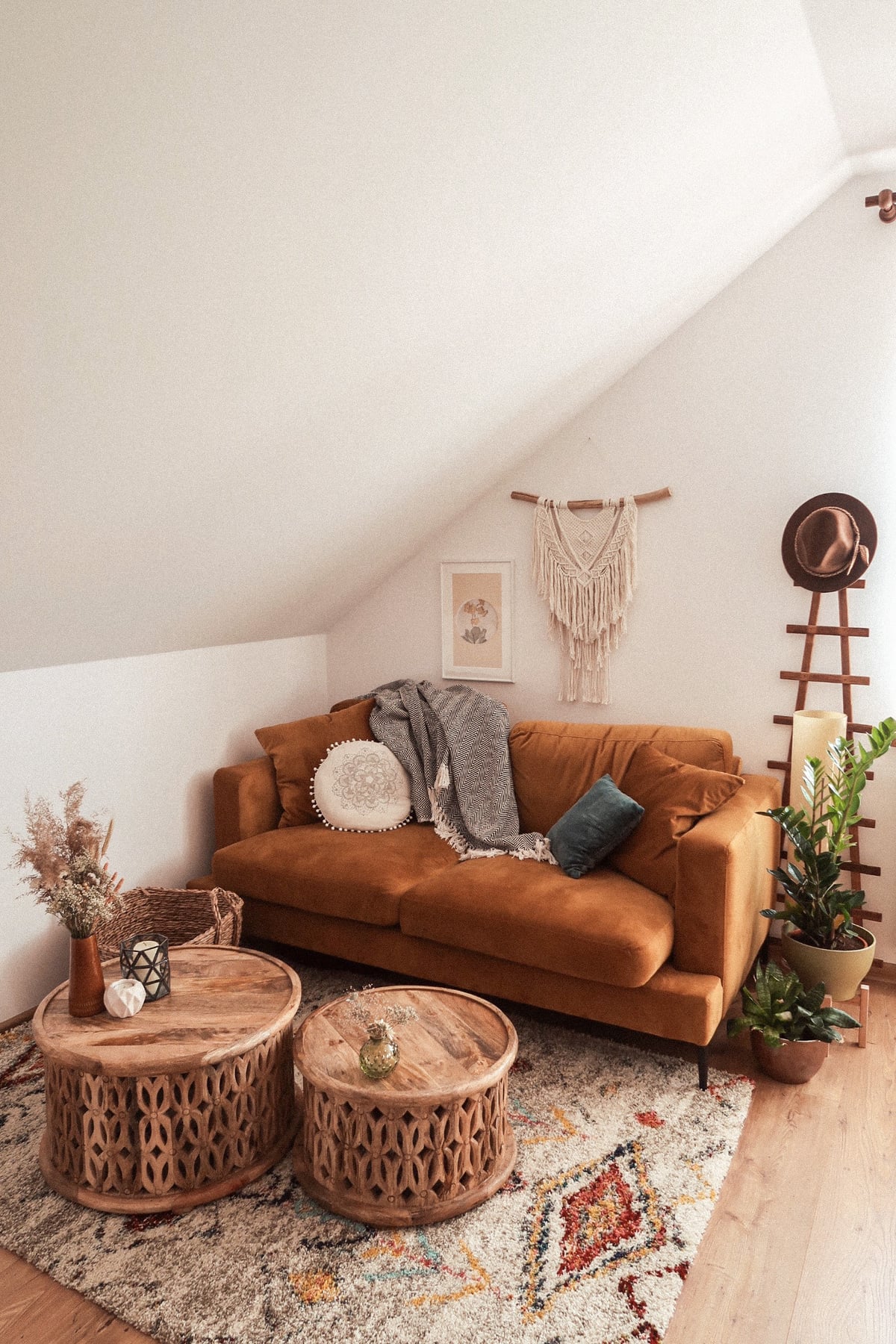
- Swap a jute or flatweave rug for something with more pile underfoot. It grounds a velvet or boucle sofa rather than competing with it, and a wool or wool-blend rug earns its keep twice over as the room cools.
- Bring in a low-wattage lamp near the sofa rather than leaning on overhead light. Velvet and boucle both come alive under warm, low, side-angled light in a way a ceiling fixture simply flattens. A single floor lamp behind one end of the sofa is often all it takes to change how the whole fabric reads once evening falls.
- If your sofa carries a subtle pattern or weave, like Monza or Perfect Harmony, keep everything else around it solid. Pattern on pattern on pattern is where autumn styling quietly tips over into clutter.
- A candle or diffuser in a warm scent, cedar, amber, clove, echoes the same seasonal shift the fabric and color already carry. It's a small addition, but often the one thing guests notice without quite being able to say why the room feels different.
The Six-Week Rule
Make this change at the start of the season, not gradually across it. A transition that arrives piece by piece, one new cushion this week, a throw the next, tends to read as clutter rather than intention. Set aside a single afternoon: swap the cushions and throw together, shift the layout, change the rug if you're changing it, and leave the lighting for last so you can see the whole effect land at once.
Common Questions
Does velvet need special care in winter? Not really. Brush it occasionally in the direction of the nap to keep the shading even, and keep it a little distance from direct radiator heat, which can dry the pile out over a full heating season.
Will boucle show marks from pets or daily use? Far less than a flat weave will. Its looped texture hides light soiling and flattening beautifully, which is a large part of why it suits a family living room used every single day rather than a room kept for best.
Does this seasonal switch only work on modular sofas? Not at all. Any sofa can take on the color and texture changes. The layout shift, pulling the seating in tighter for winter, is simply easier and more dramatic with a modular piece, though even a fixed three-seater and armchair can be angled gently inward toward a rug for much the same gathered feeling.
The dressing around a sofa will always shift with the seasons, but the sofa itself is a longer-term decision, which is exactly why it's worth choosing one whose fabric already carries that seasonal range within it. A matt velour like the Slender range, a boucle like the Ronay range, or a subtly patterned weave will keep catching light and holding color differently as the year turns, which means the styling work each October and November becomes smaller and smaller, and the sofa keeps earning its place in the room, whatever the season.